Custom CBD Packaging for Modern Wellness Brands
CBD packaging has to perform several jobs at once.
It protects the product.
It communicates the brand.
It provides a surface for important product information.
It creates a retail impression.
And for ecommerce brands, it becomes part of the customer’s first physical interaction with the company.
That combination makes CBD packaging different from simply putting a logo on a generic box.
Packaging for Different CBD Product Formats
CBD is sold in many different formats, and each creates different packaging requirements.
A glass tincture bottle needs internal stability and protection.
A jar of topical cream needs a carton that fits the container securely.
A gummy product may use a pouch or jar as its primary container and a printed carton as secondary packaging.
A vape cartridge may require a small fitted insert.
A multi-product wellness kit may need several compartments within one larger presentation box.
The package should therefore begin with the product rather than the artwork.
CBD Tincture Packaging
Tinctures are often sold in small glass bottles with droppers.
The box needs to accommodate the bottle’s diameter, height, cap or dropper assembly, and any additional space required for internal protection.
A fitted insert can help keep the bottle centered and reduce movement during transportation.
The outer carton then becomes the primary communication surface for branding and product information.
CBD Gummies Packaging
Gummies can require different packaging depending on whether they are supplied in jars, pouches, sachets, or other containers.
For retail products, an outer carton can provide additional brand visibility and information space.
For gift sets and collections, multiple gummy products can be organized inside a larger custom box.
CBD Topical Packaging
Topical products such as creams, balms, and salves can use folding cartons or premium rigid structures depending on brand positioning.
The packaging should be sized closely around the primary container to create a clean appearance while allowing adequate protection.
CBD Vape Packaging
Vape packaging requires particular attention to the product format and market requirements.
Small cartridges and devices can benefit from fitted inserts that prevent unnecessary movement.
Where child-resistant packaging is required, the appropriate tested packaging system should be selected for the applicable product and market.
CBD Packaging and Compliance
CBD packaging should be designed with compliance considerations in mind, but packaging manufacturers should not assume that one set of requirements applies to every CBD product.
Requirements can differ based on:
- Product type
- Ingredients
- Intended use
- Country
- State or province
- Retail channel
- Primary versus secondary packaging
- Applicable regulatory framework
Child-resistant packaging is a specific example where requirements and claims need careful handling. Regulatory guidance distinguishes child-resistant packaging from ordinary packaging and discusses how such claims should be supported and presented.
For this reason, brands should provide the final required label copy and regulatory specifications before packaging artwork is finalized.
Packaging Nova can design around those requirements, but the CBD brand remains responsible for confirming the regulatory requirements applicable to its product and market.
Space for Required Information
CBD packaging can require substantial information.
Trying to fit everything into a small carton without a clear hierarchy can make the package difficult to read.
A better approach is to establish the information architecture before final artwork.
The structure should account for the space needed for product identification, ingredients, quantity, directions, warnings, batch information, and other applicable information.
This is particularly important for small tincture and vape cartons where available surface area is limited.
Building Trust Through Packaging
CBD customers often evaluate a product before they ever use it.
Packaging therefore needs to communicate confidence without making unsupported health or performance claims.
Professional typography, accurate information, clean printing, consistent branding, quality materials, and appropriate structural design can all contribute to a stronger perception of product quality.
The goal is not to make exaggerated promises.
It is to make the package look deliberate, credible, and professionally produced.
Premium CBD Packaging
CBD brands can occupy very different market positions.
Some emphasize natural ingredients and botanical aesthetics.
Others position themselves around premium wellness, luxury, modern science, sports recovery, or lifestyle products.
The packaging structure should reflect the intended market.
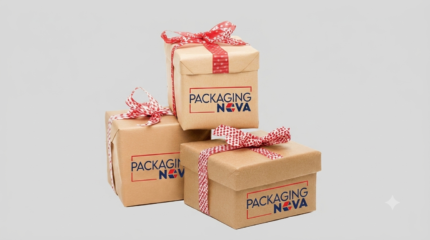
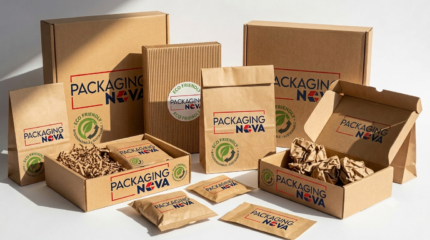
A kraft tuck box may suit a natural wellness brand, while a rigid magnetic box may be more appropriate for a premium CBD gift collection.
There is no single visual style that defines successful CBD packaging.
Natural CBD Packaging
Kraft board, muted colors, botanical illustrations, uncoated surfaces, and restrained typography can create a natural visual language.
However, natural-looking packaging should still communicate the actual product clearly.
Sustainability or organic claims should only be used when they accurately reflect the product and packaging specifications.
Premium CBD Packaging
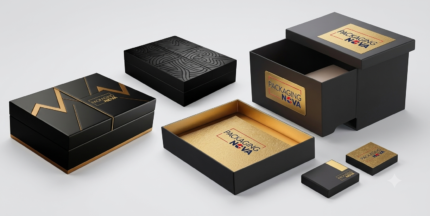
Premium brands can use rigid board, specialty papers, soft-touch finishes, foil stamping, embossing, custom inserts, and carefully controlled color systems.
The objective should be controlled sophistication rather than excessive decoration.
A well-designed premium package often uses a small number of finishing techniques strategically.
CBD Packaging for Retail Shelves
Retail packaging has limited time to communicate.
The customer may see several competing products at the same time.
Strong visual hierarchy can help the product communicate:
- Who the brand is
- What the product is
- Which product variant it represents
- What information matters most
Packaging should remain readable from a normal viewing distance while preserving enough space for required details.
CBD Packaging for Ecommerce
Ecommerce packaging has a different first impression.
The customer may already have purchased the product before opening the package, so the packaging experience can reinforce the brand relationship.
A branded mailer or shipping box can create an intentional arrival experience while an inner product carton provides the retail presentation.
Protective inserts can also help reduce movement and damage during shipping.
CBD Gift Sets
CBD gift packaging can combine multiple products into one presentation.
For example, a wellness set might contain:
- CBD oil
- Topical balm
- Gummies
- Accessories
- Product information
A custom insert can give each item a defined position.
Rigid magnetic boxes, drawer boxes, and other presentation structures can be considered when the unboxing experience is a major part of the product proposition.
Subscription and Product Collections
Brands selling multiple CBD products can create a consistent packaging system across a product line.
Different box sizes can share:
- Typography
- Color system
- Logo placement
- Graphic language
- Finishing approach
This creates visual consistency while allowing each product to retain its own identity.
CBD Packaging and Sustainability
Many CBD brands want packaging that aligns with natural or environmentally conscious positioning.
Options can include kraft paperboard, recycled-content board, FSC-certified paper and board where appropriate, paper-based inserts, and reduced-material structures.
However, packaging should not be called sustainable solely because it is brown, kraft, recyclable, or paper-based.
The complete material specification and actual end-of-life pathway should support any environmental claim.
Child-Resistant Packaging vs. Tamper Evidence
These are not the same thing.
Child-resistant packaging is intended to make access difficult for children while remaining usable by adults.
Tamper-evident packaging is designed to provide visible evidence if the package has been opened or interfered with.
A product may require one, both, or neither depending on the applicable product and market requirements.
The packaging specification should clearly distinguish these functions.
Packaging for Product Protection
CBD products can include glass bottles, jars, delicate containers, and small components.
Packaging should therefore consider:
- Product movement
- Impact
- Compression
- Container shape
- Closure height
- Internal spacing
- Shipping conditions
Custom inserts can provide additional support where necessary.
The outer box and internal protection should be designed together.
Choosing the Right CBD Box Style
The appropriate box depends on the product and positioning.
Tuck boxes can provide a practical folding-carton solution.
Sleeve boxes can create a simple premium presentation around an inner tray or product box.
Mailer boxes can combine shipping functionality with branded presentation.
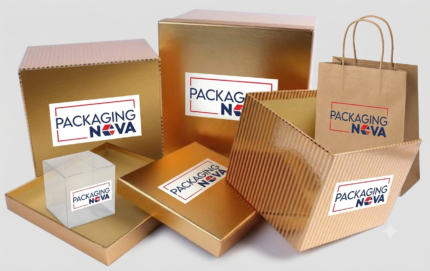
Rigid boxes can provide a more substantial presentation for premium products and gift sets.
Drawer boxes can create a distinctive opening experience.
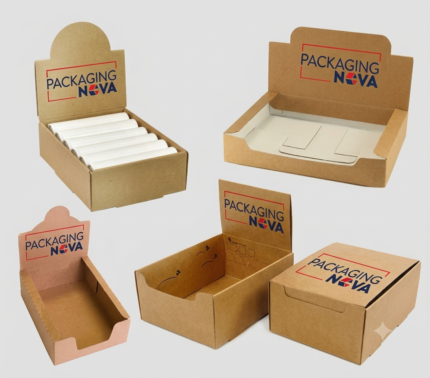
Display-style structures can provide stronger retail visibility for selected products.
The right structure should be chosen based on product requirements, budget, quantity, distribution, and customer experience.
CBD Packaging for New Product Launches
A new CBD product launch often needs packaging that can introduce the product clearly while creating a strong first impression.
Custom packaging can incorporate launch-specific artwork, premium finishing, inserts, product information, and coordinated presentation materials.
For limited releases, premium rigid packaging can create a more exclusive experience.
For mass retail launches, efficient folding cartons may provide a better balance of scalability and presentation.
Designing CBD Packaging for Production
A visually impressive concept still needs to be manufacturable.
Important considerations include:
- Product dimensions
- Board thickness
- Box style
- Insert construction
- Closure method
- Printing process
- Finishing
- Required information
- Production quantity
- Packing process
- Shipping requirements
Considering these factors early helps prevent artwork and structural concepts from creating production problems later.
From CBD Product to Finished Package
The strongest CBD packaging projects begin with a clear understanding of the product.
What type of CBD product is it?
What is the primary container?
How large and heavy is it?
Will it be sold online, in retail stores, or both?
Does it need internal protection?
What information must appear on the package?
What market will it be sold in?
What type of customer experience should the package create?
Once these requirements are established, the structure, material, printing, inserts, and finishing can be developed as one packaging system.
Packaging Nova can help turn those requirements into custom CBD packaging designed for professional presentation, product protection, and scalable production.