No minimum order
Free design & shipping
Eco-friendly
USA & Canada

Metalized Packaging

Trusted by growing brands for premium custom packaging, expert guidance, and reliable manufacturing.

Introduction

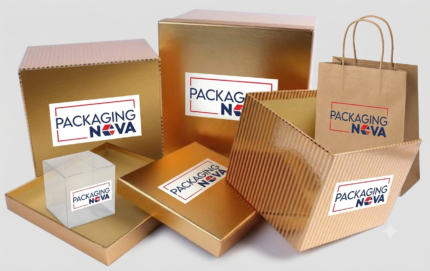
Packaging Nova delivers high-performance Custom Gold Foil Boxes that seamlessly blend high-lustre aesthetics with elite structural protection. Engineered for the rigors of premium retail, cosmetics, and confectionery, our gold-enhanced boxes ensure your products remain protected while projecting a high-status image through precision engineering and high-definition branding. Choose Packaging Nova for bespoke packaging solutions that reflect your brand’s commitment to quality.

Product

Quality products designed to bring comfort and joy.

Packaging Nova delivers high-performance Custom Gold Foil Boxes that seamlessly blend high-lustre aesthetics with elite structural protection. Engineered for the rigors of premium retail, cosmetics, and confectionery, our gold-enhanced boxes ensure your products remain protected while projecting a high-status image through precision engineering and high-definition branding. Choose Packaging Nova for bespoke packaging solutions that reflect your brand’s commitment to quality.
Packaging Nova delivers high-performance Custom Silver Foil Boxes that seamlessly blend high-reflectivity aesthetics with elite structural protection. Engineered for the rigors of premium retail, cosmetics, and electronics, our silver-enhanced boxes ensure your products remain protected while projecting a high-status image through precision engineering and high-definition branding. Choose Packaging Nova for bespoke packaging solutions that reflect your brand’s commitment to quality.

Need Help Choosing the Right Packaging?

Not sure which packaging solution fits your product? Our packaging specialists will recommend the best materials, styles, and printing options for your project.

Why Packaging Nova

The Packaging Nova advantage

We’re not just a supplier — we’re your partner in creating memorable brand experiences.

No minimum order

Order 10 boxes or 10,000 — start with any quantity.

100% custom

Any size, shape, material and design. No templates.

Free design support

Dielines, 3D mockups and print-ready files at no cost.

Eco-friendly

Recyclable, compostable and FSC-certified options.

Fast turnaround

Quick quotes and production, with rush options.

USA & Canada

Free shipping and support across both markets.

Related Categories

Explore More Packaging Solutions

Discover additional custom packaging categories designed for different products, industries, and branding requirements.

additional Details

Detailed Material Composition And Performance

Custom Metalized Packaging for High-Impact Product Presentation and Barrier Performance

Metalized packaging occupies an interesting position between visual branding and packaging functionality.

The reflective surface immediately creates a different visual impression from conventional paper or transparent film. At the same time, metallized structures can provide useful barrier properties against factors such as light, moisture, oxygen, and aroma when the complete package is appropriately designed.

This makes metalized packaging particularly relevant for products where presentation and product protection both matter.

What Is Metalized Packaging?

Metalized packaging typically uses a thin metallic coating, often aluminum, deposited onto a paper or polymer substrate. Vacuum metallization is one commonly used process for applying the metallic layer.

The result is different from conventional aluminum foil.

A metalized film uses a very thin metallic layer on another substrate, while aluminum foil is a substantially thicker sheet of aluminum. The two structures can therefore have different characteristics and should not automatically be treated as interchangeable.

Metalized Packaging for Food and Snacks

Food and beverage applications are an important use of metalized flexible packaging.

Snacks, confectionery, coffee, biscuits, and similar products can benefit from packaging structures designed to reduce exposure to light, moisture, oxygen, or aroma. Industry sources identify these barrier properties as important drivers of metalized flexible packaging adoption.

The metallic appearance also provides strong shelf impact.

For brands competing in visually crowded retail categories, a reflective surface can immediately distinguish the package from conventional matte or uncoated packaging.

Metalized Packaging for Confectionery

Chocolate, candy, sweets, and other confectionery products frequently rely on strong visual presentation.

Metalized packaging can support both objectives: creating a premium visual appearance and, where the appropriate structure is selected, providing barrier protection against environmental factors that can affect product quality.

Custom printing can then introduce brand colors, product imagery, flavor identification, and metallic design elements.

Metalized Coffee Packaging

Coffee is particularly sensitive to packaging conditions, making barrier performance an important part of package design.

Metalized flexible structures can be used as part of packaging systems designed to limit exposure to oxygen, moisture, light, and aroma. The correct structure depends on the coffee product, filling process, expected shelf life, and sealing requirements.

For coffee brands, the reflective surface can also create a premium visual identity that works well with minimalist typography, dark color palettes, or selective metallic graphics.

Metalized Packaging for Cosmetics and Personal Care

Metalized surfaces can create a strong premium effect for cosmetic and personal care packaging.

Metalized cartons, sleeves, pouches, sachets, and labels can be used to introduce reflective details without relying exclusively on conventional foil stamping.

The metallic surface can be incorporated directly into the artwork, allowing designers to create sophisticated combinations of color and reflection.

This can work particularly well for:

  • Skincare
  • Makeup
  • Haircare
  • Fragrance
  • Beauty accessories
  • Personal care products
  • Promotional beauty kits

Metalized Retail Packaging

Shelf impact is one of the strongest commercial reasons to consider metallized packaging.

Reflective surfaces naturally catch and redirect light, which can help packaging stand out in a retail environment.

However, visibility alone is not enough.

The design still needs a clear hierarchy so customers can quickly identify the brand, product type, variant, and other important information.

The metallic surface should enhance the hierarchy rather than make the package difficult to read.

Using the Metallic Surface as Part of the Design

Metalized packaging provides an opportunity that conventional white packaging does not.

The metallic surface itself can function as a design element.

Instead of printing a metallic color over the entire package, artwork can selectively expose the reflective substrate.

For example, a package could use:

  • A matte dark background
  • Metallic logo details
  • Reflective borders
  • Metallic product names
  • Selective metallic patterns
  • Metallic highlights within illustrations

This approach can create a more sophisticated result than covering the entire package in metallic effects.

Metalized Packaging for Premium Products

Metalized packaging can communicate a premium or technologically advanced visual language depending on how it is designed.

A highly reflective silver surface may create a bold contemporary appearance, while restrained metallic highlights can create a more sophisticated result.

The final impression depends heavily on the combination of:

  • Substrate
  • Structure
  • Printing
  • Color palette
  • Typography
  • Surface finish
  • Product positioning
  • Graphic hierarchy

Metallization should therefore be treated as part of the design system rather than as a standalone decoration.

Barrier Performance Matters

The metallic layer can reduce the transmission of light and, in appropriate structures, contribute to oxygen and moisture barrier performance.

But it is important not to treat every metalized package as automatically high-barrier.

Actual performance depends on the substrate, metallic coating, laminate construction, seal integrity, thickness, converting process, and the specific product requirements.

For sensitive products, barrier specifications should be evaluated against the required oxygen transmission rate, moisture vapor transmission rate, light protection, aroma retention, and expected shelf life.

Metalized Packaging vs. Aluminum Foil

Metalized film and aluminum foil are related but different packaging materials.

Metalized film uses a thin metallic layer applied to another substrate, whereas aluminum foil is a much thicker continuous aluminum material.

Metalized structures can provide a lightweight alternative for applications where their barrier performance is sufficient, while foil laminates may be selected where a different or higher level of barrier protection is required.

The correct choice depends on the product and packaging specification rather than the visual appearance alone.

Metalized Packaging and Sustainability

Metalized packaging should not automatically be described as recyclable, sustainable, or environmentally preferable.

The environmental characteristics depend on the complete structure.

Multilayer laminates, coatings, adhesives, polymer substrates, and metallization can affect recycling compatibility. At the same time, industry development is moving toward downgauged films, mono-material structures, and recyclable metallized film solutions for applications where they can provide the required performance.

If sustainability is a purchasing requirement, the specific material structure and applicable recycling pathway should be evaluated rather than relying on the presence of a thin metallic layer as a sustainability claim.

Metalized Packaging for Promotional and Seasonal Products

The reflective appearance can also work well for limited editions, seasonal launches, promotional products, and special campaigns.

A standard packaging structure can potentially be given a substantially different appearance through changes to artwork, metallized surfaces, color treatment, and finishing.

This can help brands create packaging that feels special without completely redesigning their structural format.

Choosing the Right Metalized Structure

The right packaging begins with the product.

Before selecting a metalized material, consider:

  • Product sensitivity
  • Product dimensions
  • Product weight
  • Required shelf life
  • Light sensitivity
  • Moisture sensitivity
  • Oxygen sensitivity
  • Aroma requirements
  • Filling process
  • Sealing method
  • Storage conditions
  • Shipping environment
  • Retail presentation
  • Printing requirements
  • Recycling objectives

These factors determine whether a metalized film, paper, paperboard, laminate, pouch, carton, or another structure is appropriate.

From Metallic Concept to Production

A successful metalized packaging project should begin with both the visual and functional requirements.

If the primary objective is shelf impact, the artwork and substrate can be developed to maximize controlled metallic effects.

If the primary objective is product protection, the complete barrier structure becomes more important.

For products requiring both, the material and design need to be developed together.

Packaging Nova can work from product specifications, packaging dimensions, existing artwork, reference packaging, or a desired visual direction to develop a custom metalized packaging solution around the actual application.

Custom Packaging Designed Around Your Product Requirements

Metalized packaging can be customized far beyond a standard silver surface. The metallic layer can become part of the graphic design, while the underlying structure can be developed around the product, filling process, handling requirements, and intended selling environment.

Packaging Nova can customize metalized packaging around your product dimensions, packaging format, brand identity, and performance requirements.

Metalized Pouches

Create high-impact flexible pouches for snacks, confectionery, coffee, specialty foods, personal care products, and other suitable applications. Pouches can be developed in different shapes, sizes, closure configurations, and printed designs.

Metalized Bags

Custom metalized bags can provide strong visual presence while supporting applications where light, moisture, or oxygen protection is important.

Metalized Wrappers

Flexible metalized wraps can be used for products that require a compact packaging format with a reflective surface and appropriate barrier properties.

Metalized Sachets

Small-format sachets can be customized for single-use or portioned products where product protection and compact packaging are important.

Metalized Cartons

Metalized paperboard or laminated board can create reflective cartons for premium retail products, confectionery, cosmetics, beverages, gifts, and promotional packaging.

Metalized Sleeves

A metalized sleeve can add a reflective branded surface around a box, container, tray, or other package while allowing the underlying product structure to remain relatively simple.

Custom Shapes and Dimensions

Packaging can be developed around the actual product dimensions rather than forcing the product into a standard package. Custom die-cutting and structural design can create windows, openings, sleeves, trays, and other packaging features.

Windows and Product Visibility

Where appropriate, transparent or selectively exposed areas can be incorporated to balance metallic branding with product visibility.

Custom Closures and Seals

Flexible metalized packaging can incorporate suitable closure and sealing configurations depending on the product, packaging equipment, and intended application.

Multi-Product Packaging

Custom trays, compartments, and inserts can organize multiple products inside a metalized carton or presentation package.

Premium Presentation Structures

Metalized surfaces can be combined with rigid structures, specialty papers, embossed details, foil effects, and other finishing techniques when the goal is a more premium presentation.

The objective is to use metallization strategically. It can provide visual impact, but the final structure should still be designed around how the product will be filled, handled, stored, transported, displayed, and opened.

Premium Materials for Stronger, Smarter Product Packaging

Metalized packaging is created by combining a substrate with a very thin metallic layer. The final packaging structure can vary significantly depending on the material, metallization method, barrier requirements, printing process, and intended application.

Metalized Films

Metalized films typically use a polymer film such as PET or BOPP with a thin metallic coating applied to its surface. These films can provide a reflective appearance while contributing barrier properties against light, moisture, and oxygen.

Metalized Paper

Paper can be metalized to create a reflective surface while retaining a paper-based substrate. This can be used for labels, sleeves, cartons, decorative packaging, and other applications where a metallic visual effect is desired.

Metalized Paperboard

Metalized paperboard provides a rigid substrate suitable for cartons, boxes, sleeves, and presentation packaging. The metallic surface can become part of the printed design rather than requiring a separate metallic decoration.

Metalized PET

Metalized PET is commonly used where dimensional stability, mechanical strength, and barrier performance are important. It can form part of flexible packaging structures for products such as snacks, confectionery, coffee, and other packaged goods.

Metalized BOPP

Metalized BOPP can provide a lightweight film structure with reflective appearance and useful barrier characteristics. It can be incorporated into packaging for food, snacks, confectionery, labels, and other consumer products.

Laminated Structures

Metalized films are often combined with other films or substrates to achieve the required balance of sealability, printability, strength, protection, and barrier performance.

The final laminate should be selected according to the product rather than simply the desired metallic appearance.

High-Barrier Metalized Structures

Where stronger protection against light, moisture, oxygen, or aroma is required, a higher-barrier metalized structure may be appropriate. The actual barrier performance depends on the complete packaging construction and seal integrity, not simply the presence of a metallic layer.

Material selection should consider product sensitivity, required shelf life, packaging format, sealing requirements, transportation, storage, printing, and applicable product-contact requirements.

Professional Printing That Elevates Every Packaging Design

Metalized packaging creates an unusual printing surface because the metallic layer can become part of the artwork.

Instead of covering the entire surface with opaque ink, designers can selectively use the reflective substrate to create metallic highlights, gradients, contrast, and visual depth.

Packaging Nova can develop custom printing and finishing specifications around the selected metalized substrate and packaging structure.

Full-Color Printing

Detailed graphics, product imagery, illustrations, patterns, product information, and branding can be printed across suitable metalized substrates.

CMYK Printing

CMYK artwork can be printed over metalized surfaces, with the underlying metallic layer influencing the appearance of the printed colors. This can create a distinctive reflective or metallic effect when planned intentionally.

White Ink

White ink can be used as a selective base beneath other colors where stronger opacity or more predictable color reproduction is required.

It can also be selectively omitted to allow the metallic surface to show through specific areas of the design.

Metallic Effects

One of the advantages of metalized packaging is that the substrate itself can contribute to metallic visual effects. Designers can leave selected areas exposed to create reflective logos, patterns, highlights, borders, or other graphic details.

Matte and Gloss Finishes

Combining matte and gloss surfaces can create contrast around the reflective metallic substrate. Depending on the material and printing process, selective surface treatments can help control where visual emphasis falls.

Spot UV

Spot UV can add localized gloss to selected elements such as logos, typography, patterns, or product names.

Foil Effects

Additional foil effects can be considered where an even stronger metallic or premium visual treatment is required. The appropriate approach depends on whether the desired effect can be achieved through the metalized substrate itself or requires a separate finishing process.

Embossing and Debossing

Embossed or debossed details can add physical dimension to logos, typography, and patterns, creating tactile contrast against the reflective surface.

Reverse-Side Printing

For suitable flexible structures, printing may be incorporated within the laminate construction to help protect graphics from external handling. The appropriate printing method depends on the packaging structure and production process.

Metalized substrates require careful artwork preparation. Colors can appear different depending on whether they are printed directly over the metallic surface, backed with white ink, or designed to allow the metallic layer to show through.

Frequently asked questions

Frequently asked questions

Metalized packaging uses a very thin metallic layer, commonly aluminum, applied to a paper or polymer substrate. It can create a reflective metallic appearance and, in suitable packaging structures, contribute to protection against light, moisture, oxygen, and aroma.

Metalized packaging can be used across food, beverage, confectionery, coffee, snacks, cosmetics, personal care, retail products, promotional products, and other suitable applications. The appropriate structure depends on the product's protection, presentation, and packaging requirements.

No. Metalized packaging generally uses a very thin metallic layer deposited onto another substrate, while aluminum foil is a substantially thicker aluminum material. Their barrier, structural, printing, and converting characteristics can differ, so the appropriate option depends on the product and required performance.

Yes. Metalized substrates can be printed with logos, graphics, product information, photography, patterns, and other artwork. White ink, selective metallic exposure, matte or gloss treatments, spot UV, embossing, and other techniques can also be considered depending on the substrate and printing process.

It can. Appropriate metalized structures can provide strong barriers against factors such as light, moisture, and oxygen, but the actual performance depends on the complete packaging construction and seal integrity. The required barrier specification should therefore be matched to the product and intended shelf life.

Provide your product type, dimensions, approximate weight, packaging format, required quantity, intended shelf life if relevant, and any printing or finishing requirements. If the product is sensitive to light, moisture, oxygen, or aroma, include that information as well. Artwork, product photographs, existing packaging, or reference samples can also help determine the appropriate metalized structure.

Rush order